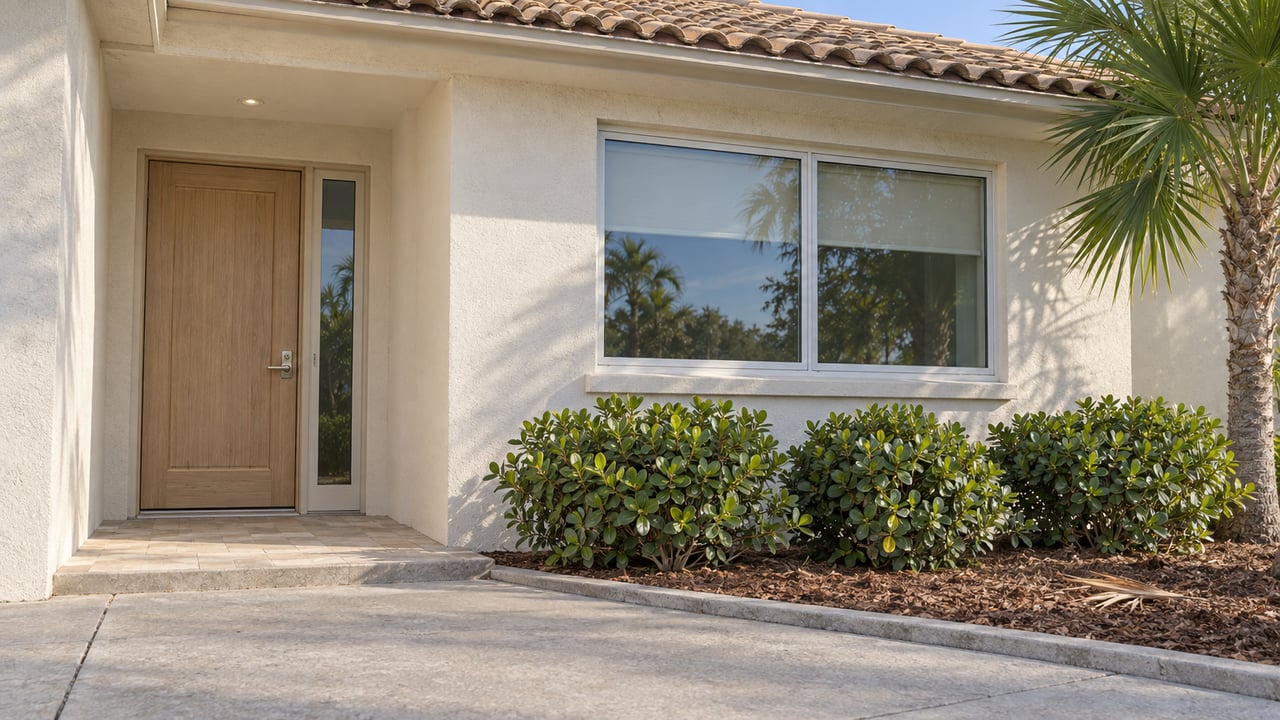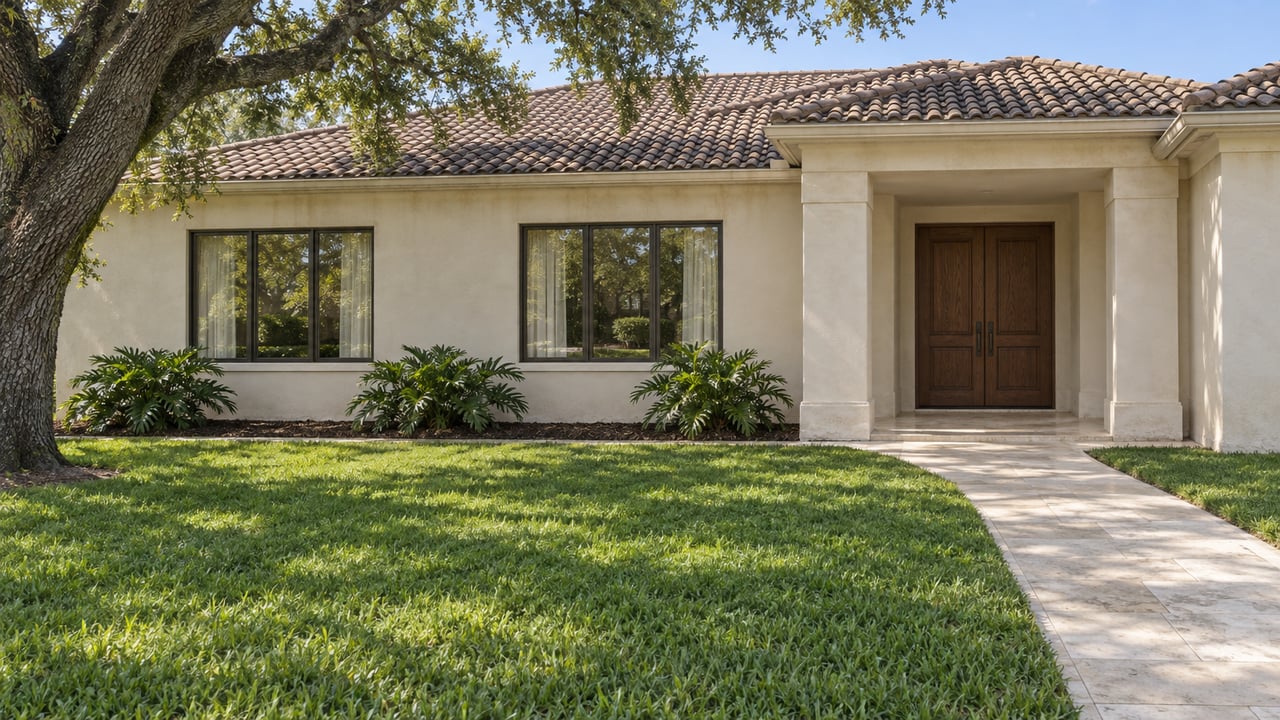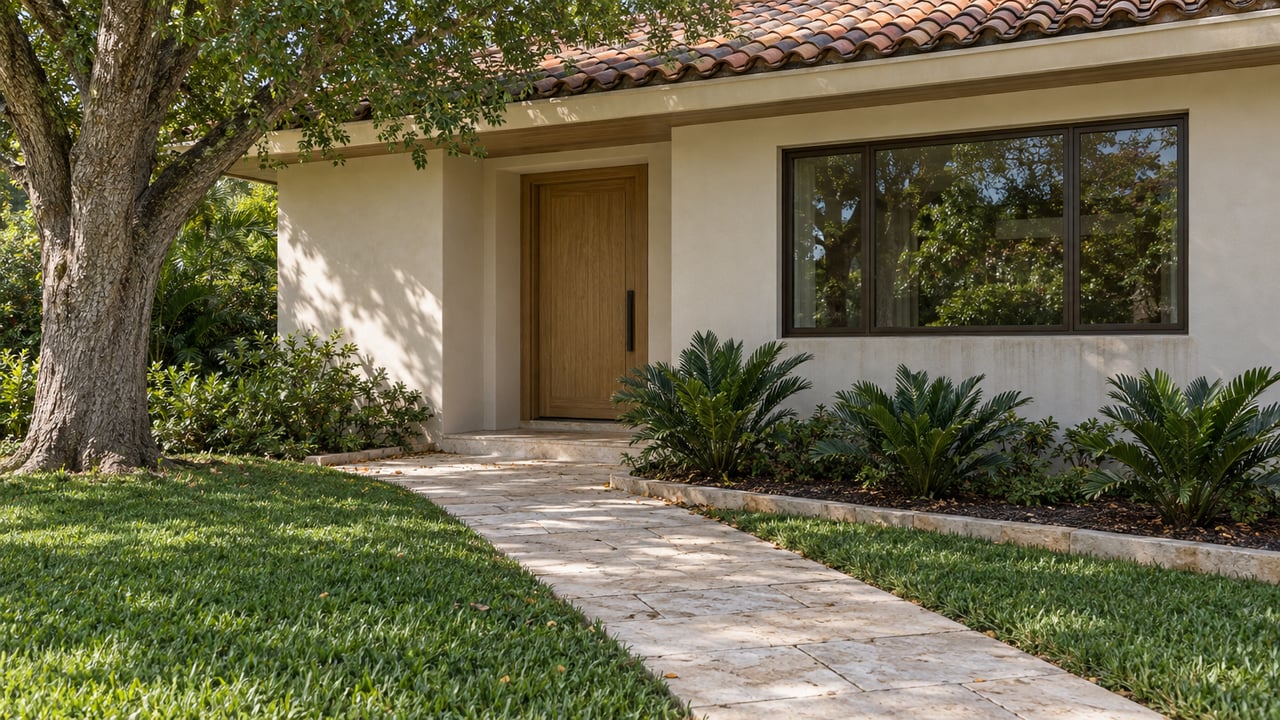
You find a house in Royal Palm Beach that fits. Three bedrooms, a fenced yard, the kind of kitchen that doesn't need a renovation before you can use it. The listing badge says six days on market. Your instinct says move fast, because six days in this price range usually means competition.
What the badge doesn't say is whether this is the house's first six days or its second run at the market after five or six months already spent there under a different number. In Royal Palm Beach right now, a real share of "new" listings are neither new nor first-time. They're returns, and the badge you're reading only counts from the moment they came back.
The Clock That Resets and the One That Doesn't
Every MLS listing carries a Days on Market count that starts the day the property goes active and stops the day it goes under contract or comes off the market. Most multiple listing services also require a home to sit off-market for a set stretch, commonly somewhere between 30 and 90 days depending on the system, before a new listing on that same property is allowed to start that count over at zero. Cancel the old listing, wait out the window, submit fresh photos and a new MLS number, and the public-facing clock reads like day one again.
There's a second number that doesn't work this way. Cumulative Days on Market tracks every day a property has spent listed across every attempt, gaps included, and it doesn't reset when a listing does. Agents can usually see it in the full MLS record. Buyers scrolling a portal typically can't, unless someone pulls it for them.
The gap between those two numbers is the whole story. A house showing six days might have a cumulative total closer to six months, and the badge you see was never built to tell you which one you're looking at.
How Often This Happens Right Now in Royal Palm Beach
This isn't a hypothetical for Royal Palm Beach. Of the homes that came onto the market there in September 2026, 14.3% of houses and 5.3% of condos and townhouses were returning listings rather than genuinely new ones. The typical relisted house was carrying 162 days of earlier market time that a portal alert wouldn't show, and the typical relisted condo or townhouse was carrying 218.5 days.
Look at the broader pool of homes for sale as of September 15, 2026, and the pattern holds at a smaller but still real scale. About 8.0% of Royal Palm Beach houses currently listed and 11.0% of condos and townhouses currently listed carry more cumulative market time than their active listing shows, meaning an earlier attempt at selling ended without a buyer and the property came back around.
None of this means every fresh-looking listing is hiding something. Most homes that show a low days-on-market number really are new to the market. But in a village where roughly one in seven newly arriving houses is actually a repeat, the badge alone isn't proof of anything.
Why a Relist Beats a Price Cut, on Paper
Sellers and their agents have an obvious alternative to relisting: just lower the price on the existing listing. Plenty do. As of that same September 15, 2026 snapshot, 48.9% of Royal Palm Beach houses for sale and 52.1% of condos and townhouses for sale were priced below their original asking figure, with a median cut of 4.2% on houses (about $31,450 on a typical listing) and 6.9% on condos and townhouses (about $11,000).
A price cut, though, leaves a visible trail. Anyone pulling the listing history sees the original number, the reduction, and the date it happened, and that trail can read as a home that struggled to find a buyer at its first price. A clean relist avoids that specific signal. The home reappears at a number the seller has already decided on, sometimes the same number as before, sometimes adjusted, but without the public marker of a markdown attached to it. For a seller weighing the two moves, a relist can look like the version that protects the home's story even when the underlying math, an unsold house sitting for months, is the same either way.
What the Old Clock Actually Buys and What It Costs
Here's where the numbers start to work against the strategy. Homes that actually closed in Royal Palm Beach in August 2026 took a median of 28 days to go under contract for houses and 31 days for condos and townhouses. Compare that to homes still sitting active as of the September 15, 2026 snapshot, which had already been listed a median of 50 days for houses and 52 days for condos and townhouses. Homes that sell quickly leave the pool fast, so the ones still sitting are, almost by definition, the slower movers, whatever their current badge claims.
That's the piece a relist can't actually fix. Resetting the clock changes what a buyer sees before they dig further. It doesn't change how the home has actually performed against real buyer demand. A house that's spent 162 hidden days trying to sell is a house the market has already had a long look at. If a relist gets it in front of you again wearing a six-day badge, you're not looking at fresh competition. You're looking at leverage that hasn't been spent yet, because the seller's actual timeline is longer, and often more motivated, than the listing lets on.
Two Things Worth Asking Before You Write an Offer
None of this requires forensic work. Before you put together an offer on a Royal Palm Beach home that looks freshly listed, ask your agent to pull the property's full MLS history, not just the current listing sheet. That history shows every prior listing attempt on the address, the original list dates, and the cumulative days on market number that the public portal never displayed. It takes an agent minutes to check and it turns a guess about seller motivation into something closer to a fact.
It's also worth asking directly whether the current list price matches, beats, or trails the price from any earlier attempt. A seller who relisted at a lower number after a quiet run is telling you something different than one who relisted at the same price hoping a new coat of visibility does the work a price adjustment usually does. Public property records will confirm ownership and prior recorded sale history if you want a second check outside the MLS itself.
A low days-on-market badge in Royal Palm Beach right now is true information about the current listing period and incomplete information about the house. Given that roughly one in seven new house listings there recently has been a return trip, that incompleteness is common enough to check for on purpose rather than by luck.
If you're comparing homes in Royal Palm Beach and want the full listing history pulled before you write an offer, not just the headline number a portal shows you, Tiffany Realty of the Palm Beaches can walk through it with you before you're standing in a bidding situation you didn't need to be in.